Compliance
Colorado Residual Solvent Testing (2026): The 31-Analyte Panel
Colorado's solvent panel went from 13 to 31 analytes on Sept 28, 2026. See the full list and why flavor esters now fail batches.


Colorado’s residual solvent panel grew from 13 to 31 analytes. Enforcement began September 28, 2026; triethylamine follows. For the 18 new solvents, any result above the lab’s limit of detection fails the batch. Many are flavor ingredients, like butyl acetate and isoamyl alcohol, so a terpene blend can fail your concentrate. California COAs don’t cover them.
Key takeaways
31 analytes, enforced September 28, 2026. 18 are new. Triethylamine enforcement follows later, with at least 72 hours’ notice from the Marijuana Enforcement Division (MED).
The 18 new solvents are “None Detected.” There is no allowable level. A trace fails the batch.
Many of the new analytes are common flavor ingredients. Butyl acetate, isoamyl alcohol (3-methyl-1-butanol), isobutyl acetate, ethyl formate, methyl acetate, and propyl acetate are building blocks of fruit, candy, and banana profiles.
Dilution doesn’t save you on the new 18. A blend dosed at 10% still carries a detectable trace into the finished concentrate.
California COAs are not Colorado COAs. Panels and limits differ. Old-panel or out-of-state results don’t prove compliance.
Eybna’s terpene systems are screened against the full 31-analyte Colorado panel at both the COA and ingredient level, with SC Labs COAs and full ingredient disclosures.
What changed in Colorado?
The MED adopted the expanded panel under 1 CCR 212-3, Rule 4-215, Table 4-215(J)(6)(a), effective July 1, 2026. Enforcement was delayed because no lab was certified to run the full panel yet. Once certified testing was available, the MED set enforcement for September 28, 2026 (Industry Bulletin 26:09).
The requirements apply to solvent-based regulated marijuana concentrates, products that contain them, and certain hemp products entering the regulated market.
The full Colorado residual solvent panel
Existing analytes and the numeric limits
Solvent | Limit |
Acetone | < 1,000 ppm |
Benzene | < 2 ppm |
Butane | < 1,000 ppm |
Ethanol | < 1,000 ppm |
Ethyl acetate | < 1,000 ppm |
Heptane | < 1,000 ppm |
Hexane | < 60 ppm |
Isopropanol | < 1,000 ppm |
Methanol | < 600 ppm |
Pentane | < 1,000 ppm |
Propane | < 1,000 ppm |
Toluene | < 180 ppm |
Total xylenes | < 430 ppm |
New analytes with a 0 detection limit
Solvent | Limit |
|---|---|
Anisole | 0 |
1-butanol | 0 |
2-butanol | 0 |
butyl acetate | 0 |
tert-butyl methyl ether | 0 |
ethyl ether | 0 |
ethyl formate | 0 |
isobutyl acetate | 0 |
isopropyl acetate | 0 |
methyl acetate | 0 |
2-methyl-1-propanol | 0 |
3-methyl-1-butanol | 0 |
methylene chloride | 0 |
methyl ethyl ketone | 0 |
1-pentanol | 0 |
1-propanol | 0 |
propyl acetate | 0 |
triethylamine (enforcement pending) | 0 |
Why terpene blends are now the risk
The old panel was built around extraction solvents: butane, propane, hexane. Clean extraction meant a clean test.
The new panel reaches into flavor chemistry. Many of the newly listed compounds are esters and alcohols that flavor houses use to build fruit and candy notes:
Banana and tropical profiles often rely on isoamyl and butyl acetate. Isoamyl acetate can also break down into isoamyl alcohol (3-methyl-1-butanol), which is on the list.
Apple, pear, and berry profiles commonly use butyl, propyl, and isobutyl acetates.
Rum, fruity, and “candy” top notes can use ethyl formate and methyl acetate.
Carriers and diluents can bring in ethanol or isopropanol.
None of these are extraction failures. They’re formulation choices, and under the new panel they fail batches.

Colorado compliance checklist
Formulation
No new-panel analytes anywhere in the formula, including sub-bases and flavor modifiers
Ester-driven fruit profiles reformulated or replaced
Carrier and diluent solvents identified and quantified
Existing-panel solvents comfortably below limits at your dosing rate
Documentation
COA covering all 31 analytes, not the old 13
COA from a lab certified for the expanded Colorado panel
Full ingredient disclosure, down to sub-base level
COA matches the current formulation version
Internal QA
Re-screen every SKU that passed before September 28
Flag any product with banana, apple, pear, or tropical ester notes
Confirm your supplier’s COAs aren’t California-panel results
Re-check when Colorado’s annual rule updates take effect
Why Colorado products are failing now
Fruit-ester flavor ingredients carried through from the terpene blend
Supplier COAs that only cover the old 13 analytes
California-panel COAs treated as proof of Colorado compliance
Sub-bases inside blends that were never screened
Assuming low dosing dilutes traces below a “None Detected” limit
The hidden bottleneck: your terpene supplier
Your extraction can be perfect and your batch can still fail because of one ingredient in your flavor.
Red flags before you formulate:
COAs that don’t list the new analytes
COAs run to another state’s panel
No ingredient-level disclosure for sub-bases
No answer when you ask whether the blend contains butyl acetate or isoamyl alcohol
Colorado-ready terpenes
Eybna screened its full catalog against the 31-analyte Colorado panel. Each blend was checked two ways: its SC Labs COA results, and its full ingredient list, expanded through every sub-base, for any new-panel analyte.
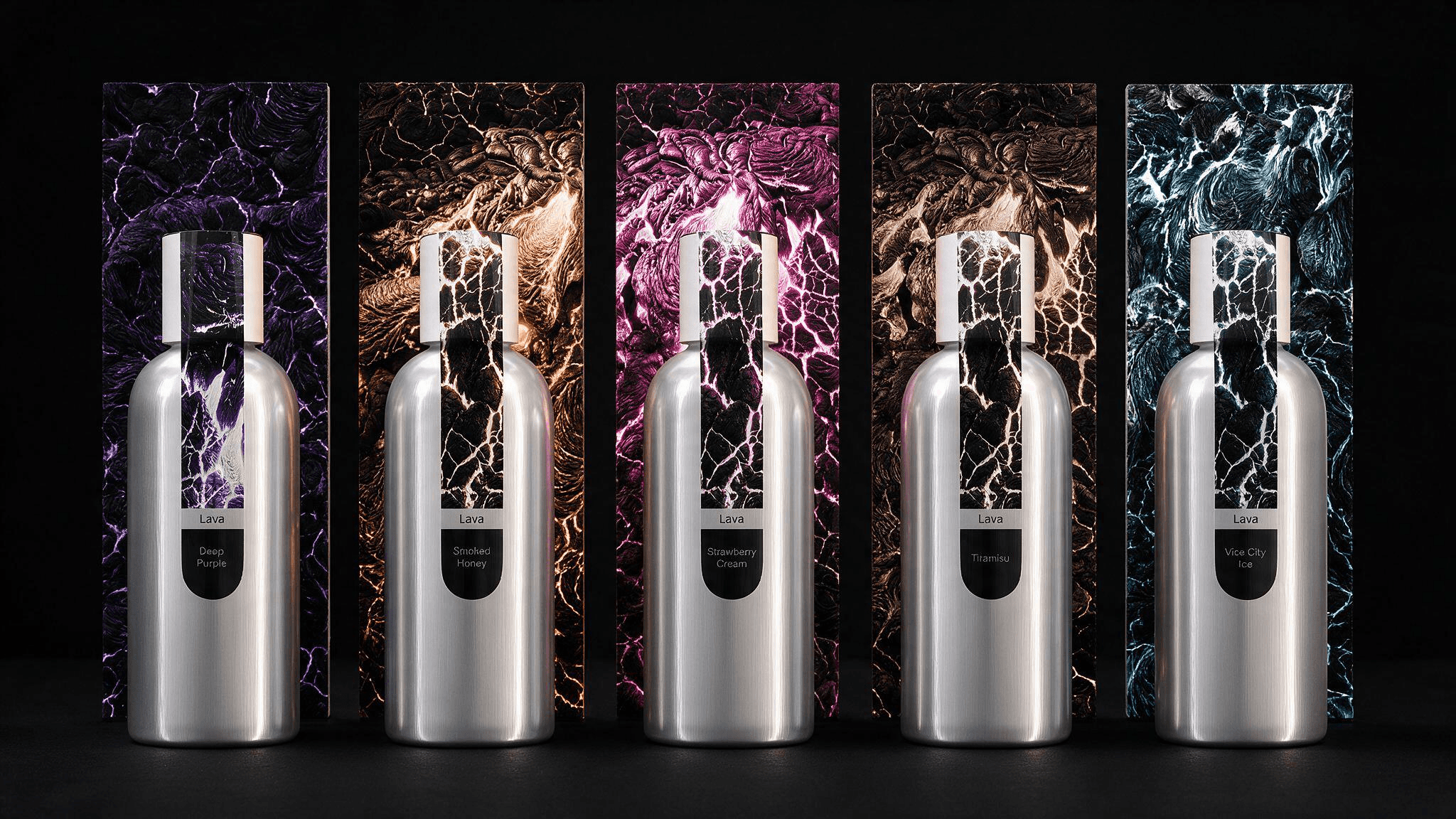
Lines with strong Colorado results include the Pure Terpenes Line, Live Line, Live+, Palate Line, Enhancer Bases, Hash Line, Lava Line, and Sour Candy Line. For ester-driven profiles like banana, we’ll point you to a Colorado-safe direction rather than ship a blend that’s built to fail.
When did Colorado's expanded solvent testing take effect?
September 28, 2026. Triethylamine follows later with at least 72 hours' notice.
How many solvents does Colorado test for now?
30 enforced today, 31 once triethylamine is added.
What does "None Detected" mean?
Any result above the lab's limit of detection fails. There is no allowable trace.
Do terpene blends need to pass?
The finished concentrate is tested. Anything in the blend carries into the concentrate, so the blend has to be clean.
Can I use a California COA in Colorado?
No. California's panel and limits differ, and they don't cover the new Colorado analytes.
My product passed before September 28. Am I fine?
Not necessarily. Old results don't cover the 18 new analytes. Re-screen.
Ready to build your Colorado-ready product lineup? Our Formulation Specialists are here to help!


Start with a sample
Tell us what you want your product to do. We’ll come back with a validated, compliant formulation in 30 days.